
The Importance of High Fiber Foods in Your Diet
3/25/20262 min read
Understanding Fiber: What It Is and Its Types
Dietary fiber is essential for a healthy diet, primarily from plant-based carbohydrates that our bodies can't digest. It supports overall health and various bodily functions.
Fiber is categorized into two main types: soluble and insoluble, each with distinct benefits.
Soluble fiber dissolves in water and helps lower cholesterol and regulate blood sugar, beneficial for those with diabetes.
Sources include oats, beans, lentils, fruits, and vegetables, which promote fullness and assist in weight management.
Insoluble fiber does not dissolve in water, adding bulk to stool and promoting regular bowel movements.
Found in whole grains, nuts, and the skins of fruits and vegetables, it aids digestive health.
Both types of fiber are necessary for good nutrition. Consuming a variety of fiber-rich foods enhances digestion and overall wellness.
Health Benefits of High Fiber Foods
High fiber foods are vital for overall health. They support digestive health, improve bowel regularity, and can prevent constipation. Studies show a higher fiber intake correlates with fewer digestive disorders.
Fiber also aids weight management by promoting fullness, thus reducing calorie intake. Research from the American Journal of Clinical Nutrition indicates substantial weight loss among those on a high-fiber diet.
High fiber intake lowers chronic disease risk.
Soluble fiber helps lower cholesterol.
Adequate fiber reduces cardiovascular disease risk by 30-40%.
Sufficient fiber decreases diabetes risk.
High fiber foods promote a balanced gut microbiome.
Identifying High Fiber Foods
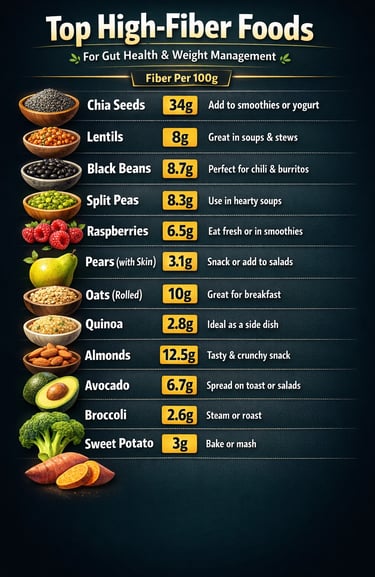
Incorporate high fiber foods like fruits, vegetables, whole grains, legumes, and nuts.
Fruits like raspberries and pears are great sources. Vegetables such as broccoli and Brussels sprouts also contribute fiber. Whole grains, like quinoa, provide significant fiber as well. Legumes are protein-rich and high in fiber.Lastly, nuts add dietary fiber and nutrients.
Recommended Daily Fiber Intake
The recommended daily fiber intake is 25 grams for women and 38 grams for men. Older individuals should aim for 21 grams (women) and 30 grams (men).
Despite these guidelines, many consume only 15 grams daily, often due to processed food preferences. Understanding the importance of fiber is key to improving health.
Conclusion: Embracing a Fiber-Rich Lifestyle
Incorporating high fiber foods into your diet fosters better health, gut microbiome balance, and can lower chronic disease risks. Start by gradually increasing your fiber intake to enjoy the many benefits it offers. Making simple dietary changes will help enhance your overall well-being.