
Fibermaxing: Your Ultimate Guide to Boost Digestion & Health Benefits
Dt.Naya
3/10/20264 min read
Understanding Fibermaxing: What is It?
Fibermaxing refers to the intentional practice of significantly increasing dietary fiber intake for enhanced digestive health and overall wellness. This trend has gained prominence due to increasing awareness of the vital role that dietary fiber plays in maintaining optimal health. Fiber is categorized into two primary types: soluble and insoluble, each offering unique benefits to the body.
Soluble fiber dissolves in water, forming a gel-like substance that can aid in regulating blood sugar levels and lowering cholesterol. This type of fiber is typically found in foods such as oats, legumes, and certain fruits like apples and berries. On the other hand, insoluble fiber does not dissolve in water and helps add bulk to stool, which facilitates regular bowel movements. Sources of insoluble fiber include whole grains, nuts, and vegetables like carrots and broccoli.
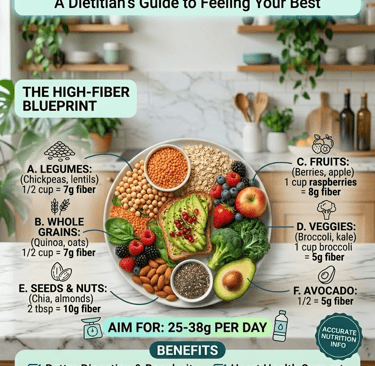
Fibermaxing differs from standard dietary practices primarily in its emphasis on not only meeting but exceeding the recommended dietary fiber intake. Most health guidelines suggest a daily fiber intake of 25 grams for women and 38 grams for men; however, fibermaxers often target significantly higher amounts, sometimes reaching upwards of 60 grams or more daily. This approach aims to optimize digestion, promote gut health, and prevent various gastrointestinal issues.
The incorporation of more fiber into daily routines is associated with a myriad of health benefits. Increased fiber intake can lead to improved satiety, which aids in weight management, and enhanced gut flora diversity, which is crucial for digestive health. Furthermore, a fiber-rich diet has been linked to reductions in the risk of chronic illnesses such as diabetes, heart disease, and certain types of cancer. By prioritizing fibermaxing, individuals can actively enhance their digestion and overall health outcomes.
The Digestive Benefits of Fibermaxing
Fibermaxing, or maximizing fiber intake, plays a crucial role in enhancing digestive health. One of the primary benefits of a high-fiber diet is its ability to promote regular bowel movements. Dietary fiber adds bulk to the stool, which helps to facilitate its passage through the intestines. This can significantly reduce the risk of constipation, a common ailment that affects many individuals. Regular consumption of fiber aids in maintaining a healthy frequency of bowel movements, allowing for a more effective digestive process.
Furthermore, fiber is instrumental in maintaining a healthy gut microbiome. A diverse array of fibers acts as prebiotics, feeding beneficial bacteria in the gut. This interaction not only supports gut health but also plays a critical role in preventing digestive disorders such as Irritable Bowel Syndrome (IBS) and diverticulitis. Several studies indicate that individuals who consume adequate fiber have a lower incidence of these conditions, highlighting the importance of including ample fiber in one's diet.
In addition to promoting regularity and supporting gut bacteria, fiber can also help reduce bloating and discomfort following meals. High-fiber foods generally take longer to chew and digest, which may lead to a feeling of fullness and satisfaction. Moreover, soluble fiber can absorb excess water in the intestines, potentially alleviating digestive issues that lead to bloating. Incorporating a variety of fiber sources, such as fruits, vegetables, legumes, and whole grains, can maximize these benefits and enhance overall digestive health.
Health Benefits Beyond Digestion
Increasing fiber intake provides a plethora of health benefits that extend far beyond digestive health. One of the most significant benefits relates to weight management. Dietary fiber contributes to a feeling of fullness, often leading to reduced overall caloric intake. A study published in the journal Obesity found that individuals who consumed high-fiber diets reported lower levels of hunger and greater satiety, which can be beneficial for those seeking to maintain a healthy weight.
Moreover, fiber plays a crucial role in cholesterol management. Soluble fiber, in particular, has been shown to lower LDL cholesterol levels, which is a key risk factor for heart disease. According to research from the American Journal of Clinical Nutrition, increasing soluble fiber intake by just 5 to 10 grams can lead to a significant reduction in cholesterol levels, thereby supporting cardiovascular health.
Fiber-rich diets also act as a preventive measure against several chronic diseases. Research has identified a strong correlation between high fiber consumption and a decreased risk of type 2 diabetes. The Diabetes Care journal reported that individuals with a high fiber intake had a 30 to 50 percent lower risk of developing diabetes. This protective effect is attributed to fiber's ability to regulate blood sugar levels, improving insulin sensitivity.
In addition to these benefits, incorporating more fiber into one’s diet can promote overall well-being by enhancing gut health and supporting the immune system. To reap these benefits, individuals should consider integrating a variety of fiber-rich foods such as fruits, vegetables, whole grains, legumes, nuts, and seeds into their meals. Utilizing simple strategies like adding leafy greens to smoothies, selecting whole grain bread, or snacking on fresh fruits can be an effective way to boost fiber intake.
Tips and Strategies for Effective Fibermaxing
Fibermaxing can significantly enhance digestion and overall health, but it requires thoughtful implementation. One fundamental strategy is to gradually increase your fiber intake. This can be accomplished by adding one or two servings of high-fiber foods each day, allowing your digestive system to adjust without feeling overwhelmed. Foods such as legumes, whole grains, fruits, and vegetables should be your primary focus.
Incorporating a variety of fiber sources into your meals is essential for achieving optimal health benefits. Soluble fiber, found in oats and apples, helps lower cholesterol and control blood sugar levels, while insoluble fiber, present in whole grains and nuts, adds bulk to your stool and facilitates regular bowel movements. Aim to include both types of fiber in your daily diet. Mixing different fruits and vegetables not only enhances nutritional variety but also keeps meals exciting.
It is also crucial to maintain a balanced diet while focusing on fiber. Ensure that your meal plan includes adequate protein, healthy fats, and essential vitamins and minerals, all of which complement fiber-rich foods. Plan your meals ahead of time and prep snacks that are high in fiber, such as hummus with carrot sticks, yogurt with berries, or popcorn sprinkled with nutritional yeast. These can serve as satisfying options that keep you feeling full and energized.
Lastly, hydration plays a vital role in the fibermaxing process. As fiber intake increases, it is important to drink plenty of water to aid in digestion and prevent discomfort. Making these simple adjustments to your diet can help you incorporate fibermaxing effortlessly into your lifestyle, paving the way for improved digestion and long-term health benefits.